Booking choice: The glass-bottom boat trip, from $29 per person. Check dates Tour details
Greece holds about half of the Mediterranean's loggerhead nests, and Laganas Bay on Zakynthos is one of its two biggest sites. The turtles have had three strong years. The beaches they nest on are a different story, and in June 2026 a nationwide check put numbers on it.
This post goes through the report itself, not only the headlines: who did the survey, what they measured, the pressures they found, and what it means if you are going to lie on a nesting beach next summer.
The quick answer
WWF Greece and ARCHELON assessed 167 loggerhead nesting beaches, about 270 km of coast, over the 2024 and 2025 seasons. 12% were in good condition, 50% moderate and 38% poor. Sunbeds and umbrellas were on 77% of beaches, night lighting on 71%. Beaches inside Natura 2000 sites did better (19% good) than those outside (5%). The report gives no beach-by-beach scores for Zakynthos.
What did the 2026 WWF Greece and ARCHELON nesting beach report find?
Of 167 nesting beaches, 12% were in good condition, 50% moderate and 38% poor. Legal protection helped, but it did not remove the pressures.
The announcement came on 24 June 2026. The work behind it is the Rapid assessment of the conservation status of sea turtle nesting areas in Greece (2024-2025), carried out by WWF Greece and ARCHELON under the Greek Wildlife Alliance of 11 environmental groups. More than 120 trained volunteers surveyed beaches in the Ionian Islands, Crete, the Peloponnese, Epirus and the Dodecanese, from May 2024 to the 2025 season. The full report is in Greek.
The split that matters is protection. Inside Natura 2000 sites, 19% of beaches were in good condition and 30% poor. Outside, only 5% were good and 46% poor. To Vima put it plainly: legal protection helps, "but does not by itself remove the pressures facing nesting sites."
| Condition | All 167 beaches | Inside Natura 2000 | Outside Natura 2000 |
|---|---|---|---|
| Good | 12% | 19% | 5% |
| Moderate | 50% | about 51% | about 49% |
| Poor | 38% | 30% | 46% |
What are the biggest threats to turtle nesting beaches in Greece?
Beach furniture, night lighting, people on the sand after dark and building right behind the beach. All four come from tourism.
The numbers are blunt. Umbrellas and sunbeds stood on 77% of the beaches, and on about 60% of those they were set out in continuous rows that work as a fence for a turtle trying to reach dry sand. Light reached the sand on 71% of beaches at night, and 68% had people on them after dark. Some construction was visible on 74%, and plastic or micro-litter lay in the sand zone of 73%.
Light is the one that kills quietly. Hatchlings find the sea by heading for the brightest horizon. A beach bar behind the dunes pulls them the wrong way, into roads and car parks. Out at sea the survey found amateur fishing off 37% of beaches and motorised water sports off 19%.
| Pressure | Share of beaches | Why it matters |
|---|---|---|
| Sunbeds and umbrellas | 77% | Block females, poles pierce nests |
| Construction (sand or back of beach) | 74% | Less dry sand to nest in |
| Plastic and micro-litter in the sand | 73% | Traps hatchlings, enters the food chain |
| Light pollution at night | 71% | Hatchlings crawl inland |
| People on the beach at night | 68% | Disturbs nesting, tramples nests |
| Amateur fishing offshore | 37% | Hooks and lines catch turtles |
How did Zakynthos's nesting beaches do in the report?
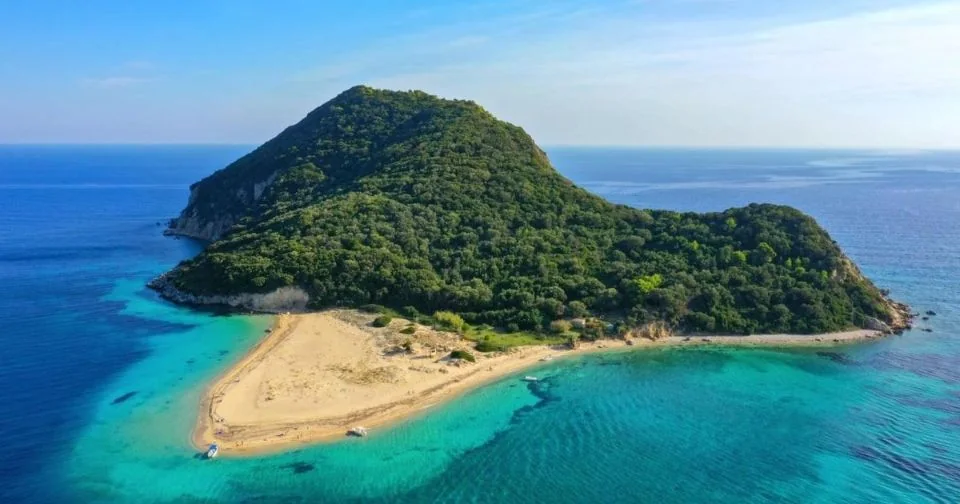
The survey covered 17 beaches on Zakynthos, including Sekania, Gerakas, Dafni, Kalamaki, Laganas and Marathonisi, but it publishes no score for each beach.
Laganas Bay sits inside the National Marine Park of Zakynthos and Natura 2000 site GR2210002, so in the report it falls on the better-protected side of the line. The report does not single it out. ARCHELON's own 2025 season report for the bay fills the gap, and the list is familiar: more umbrellas and chairs than permitted, night visitors on nesting beaches, artificial light, illegal buildings and roads in the Vasilikos area, and boats speeding, anchoring where they should not and crowding turtles.
It also counted 28 stranded turtles in 2025, 25 of them dead, 14 inside the park. And the EU Court of Justice has fined Greece EUR 5.5 million over a landfill inside the marine park that was never rehabilitated. Good nest numbers, in other words, sit next to a long list of unfinished work.
Are loggerhead turtle numbers in Greece going up or down?
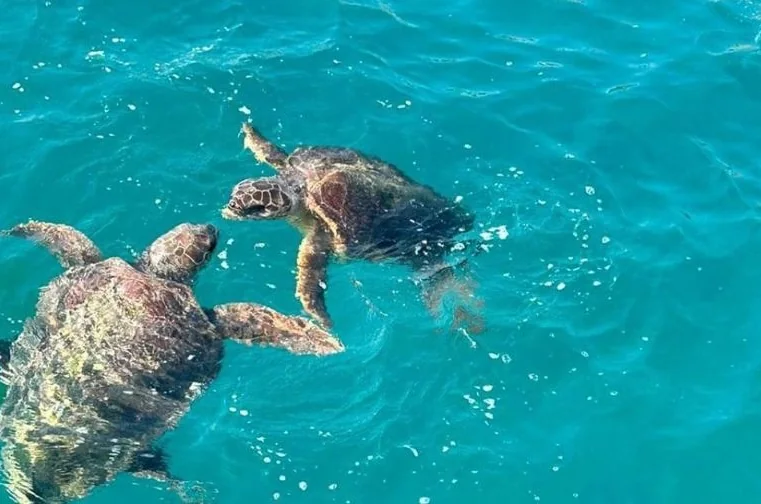
Nest counts are up. Laganas Bay had about 2,470 nests in 2024 and 2,155 in 2025, against a long-term average near 1,200, and Kyparissia Bay logged about 6,100 in 2025.
In Kyparissia Bay on the Peloponnese, ARCHELON recorded about 6,100 nests in 2025, 74% above the average of the previous 12 years. Together with Laganas Bay it holds more than 60% of all loggerhead nests in the EU, ARCHELON says.
More nests do not mean safer beaches. Loggerheads live for decades and females return to the beach where they hatched, so today's nesting reflects protection that began in the 1980s. A beach lost to sunbeds and floodlights now shows up in the counts twenty or thirty years later. That is the report's point, and To Vima's: the apparent recovery does not mean the threats have gone.
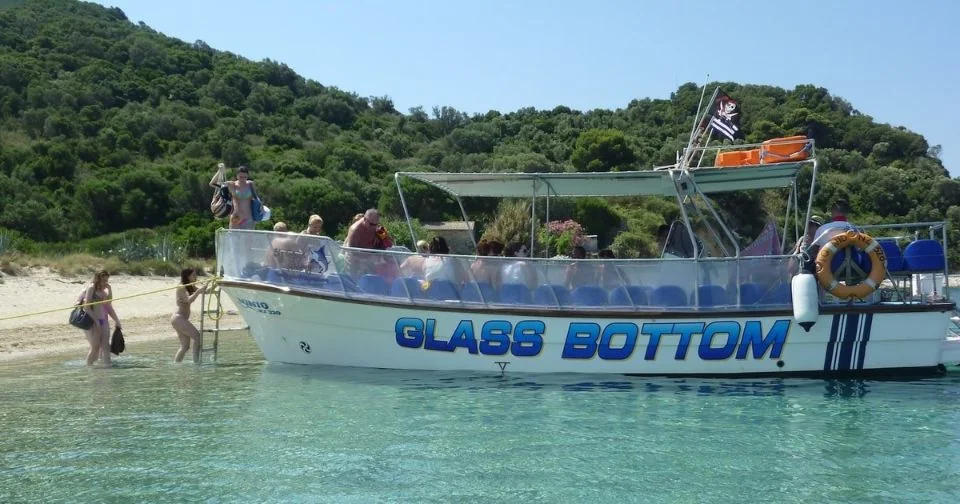
An hour on the Marathonisi nesting beach, a glass floor for the seabed, and Cameo and the Keri Caves. Pickup included.
Explore the glass-bottom boat trip Tour detailsWhat does the report mean for your beach day on Zakynthos?
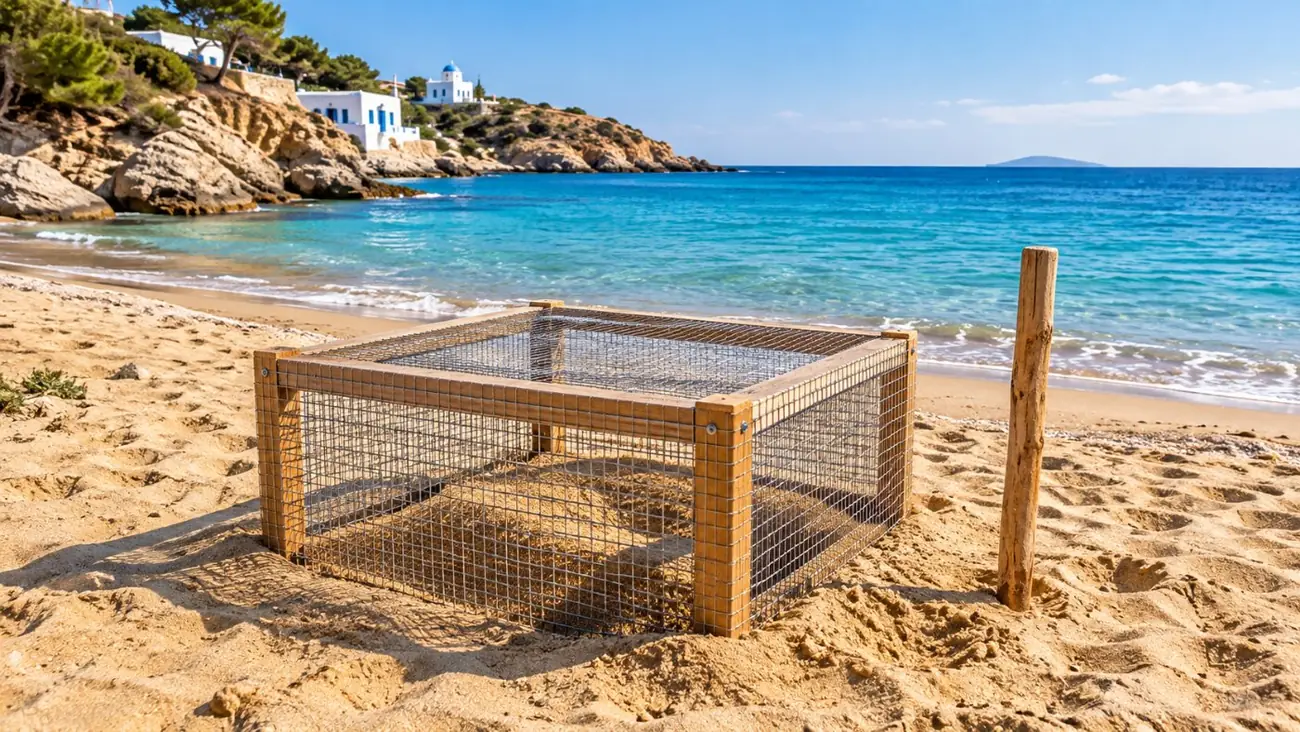
Follow the park rules: nesting beaches from 7 am to sunset only, stay within 5 m of the water, no umbrellas on Marathonisi, no lights at night, and leave the nest cages alone.
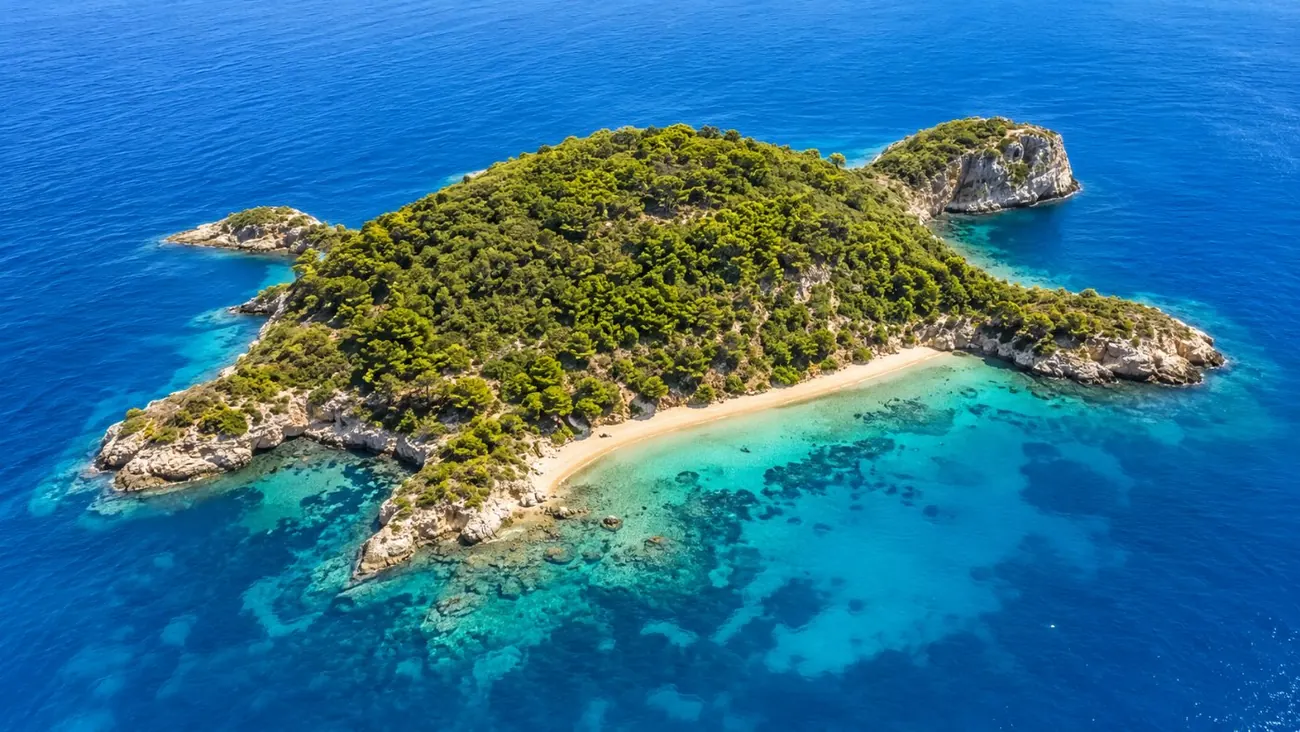
On Zakynthos the fixes the report asks for are already law. Sunbeds on East Laganas, Kalamaki, Dafni and Gerakas must be stacked away every night. Marathonisi has no furniture at all. Sekania is closed to everyone. Keep your towel near the water, take your rubbish home, and never dig, light a fire or walk the nesting beaches after dark.
The boat you choose matters too. A trip that lands you on Marathonisi for a swim is fine if the crew keeps you by the waterline and off the dry sand. The glass-bottom boat gives you a full hour there, and the half-day tour warns that there are no toilets on the boat or on the island. If you hire your own boat, you are the captain: 6 knots in the park, no anchoring in Zone B, and Zone A is off limits from 1 May to 31 October. Our Marathonisi guide covers the island rules in detail.
What changes does the report call for?
Put the 2021 National Action Plan for the loggerhead into practice, keep 5 m of open sand by the sea, clear beach furniture at night and remove illegal structures.
Greece adopted an Action Plan for the loggerhead in 2021. ARCHELON has asked the state to apply it "immediately" and to fund the nest monitoring that volunteers now pay for. The 2026 report adds a short list: a 5 m free zone from the waterline on every nesting beach, furniture removed at night, illegal or unlicensed buildings taken down, visitor awareness, work with tourism businesses, and stronger checks by the authorities.
It also asks for the assessment to be repeated, so the trend can be measured instead of guessed. We will cover the next one when it appears. For where loggerheads nest beyond Zakynthos, see our guide to the best Greek islands for turtles.
Want your own route and your own pace? A self-drive boat, no licence needed, with a briefing on the park rules first.
Check dates for a self-drive boatFrequently asked questions
Who wrote the 2026 report on Greece's turtle nesting beaches?
WWF Greece and ARCHELON, as part of the Greek Wildlife Alliance. More than 120 volunteers collected the data over the 2024 and 2025 nesting seasons.
How many nesting beaches are in good condition in Greece?
12% of the 167 beaches surveyed. Half were moderate and 38% poor.
Which beaches on Zakynthos are nesting beaches?
Six in Laganas Bay: Marathonisi, East Laganas, Kalamaki, Sekania, Dafni and Gerakas. Sekania is closed to the public; the others open from 7 am to sunset.
Are umbrellas allowed on Marathonisi?
No. Beach furniture is banned on Marathonisi, and visitors should stay within 5 m of the water.
Ready to book
Choose your boat
Free cancellation up to 24 hours before on every option. Prices are from-prices in USD and move with the season.
Glass-Bottom Boat to Turtle Island & Keri Caves
- Glass-bottom boat through the marine park
- One hour on the Marathonisi beach
- Cameo Islet photo stop and a swim at Keri
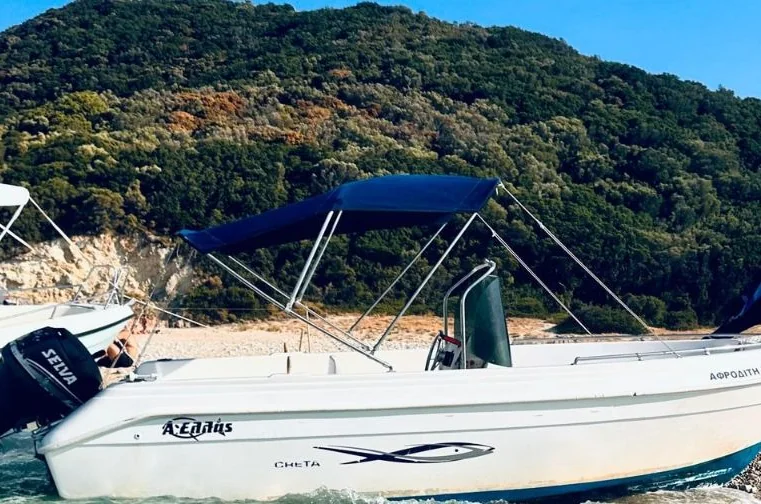
Self-Drive Boat Hire, No Licence Needed
- Private boat for up to 4 (3 hours) or 6 (4 hours)
- Safety and navigation briefing and a test drive
- Canopy, cool box and Bluetooth speaker
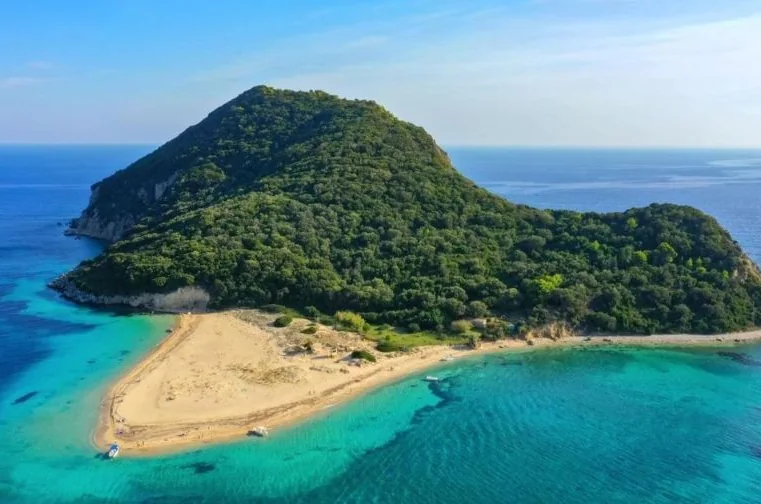
Half Day: Turtle Island, Keri Caves & Olive Oil
Cameo, the boat, the caves and an olive oil tasting in one